Research editor: Nicholas Bauer, Founder & Research Editor · Research checked October 6, 2026
The quick answer
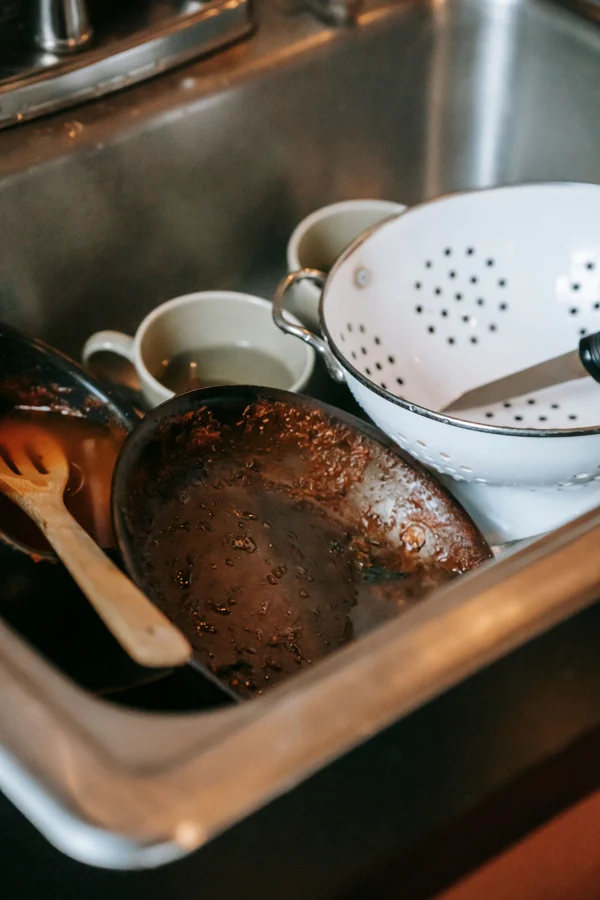
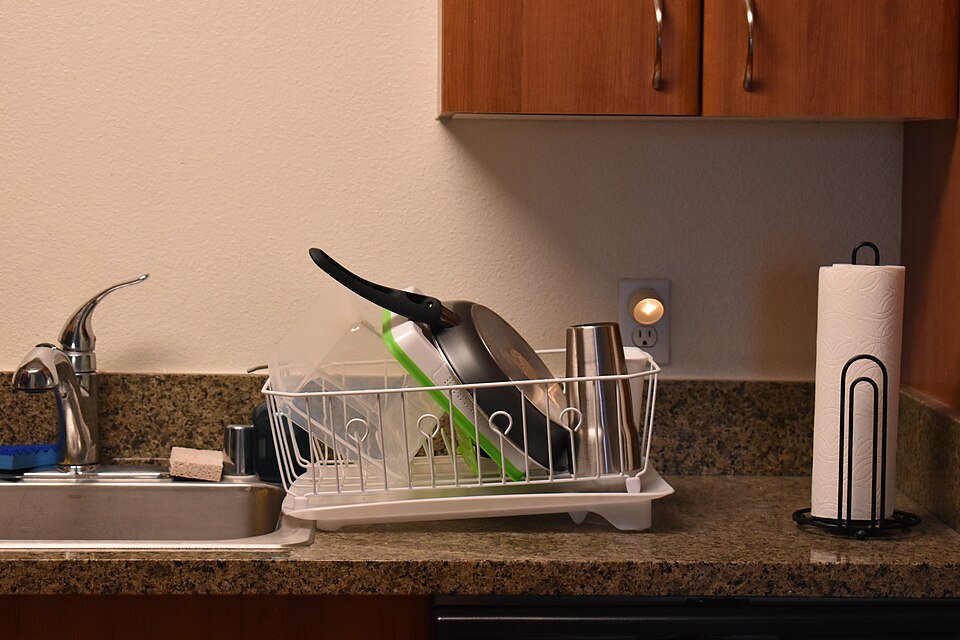
Build a compact dishwashing station around three places: where dirty items wait, where you wash and rinse, and where clean items dry. Keep those routes clear before adding a rack, basin or caddy. The best arrangement is one you can reset after an ordinary meal.
Walk through one real meal
Place the clean versions of the items you normally use on the counter: plates, glasses, a pan and utensils. Decide where each would wait, be washed and dry. This simple rehearsal reveals problems that an empty-counter photograph hides.
If you own a countertop dishwasher, separate its approved load from handwash items. The machine may reduce the plate pile, but you still need a route for knives, wooden tools or cookware that cannot go inside.
Give each area one job
| Area | Keep available | Avoid |
|---|---|---|
| Dirty landing spot | A stable place to sort a manageable batch. | A tall stack that blocks the faucet. |
| Washing and rinsing | Sink access, appropriate soap and a clean tool. | Clean dishes mixed back into used wash water. |
| Drying | A clean rack, mat or other suitable surface. | A pile that traps water between nested pieces. |
Choose the accessory that solves the actual bottleneck
If plates keep sliding, a rack with suitable supports addresses a different problem from a flat mat. For a large pan, a temporary drying area may be enough. When brushes clutter the sink, a caddy can help—but it creates another item to empty and clean.
The American Cleaning Institute describes handwashing as preparation, washing, rinsing and drying. Use that sequence to locate the missing step rather than buying a full matching accessory collection.
Measure the operating space
- Check the clear counter width and depth beside the basin.
- Move the faucet and handles through their normal range.
- Account for cabinet doors, windows and any dishwasher hoses.
- Reserve room to remove and clean the rack’s drain tray.
- Check where the accessory will go when you need the counter for food preparation.
For example, a rack can fit within a 16-inch patch of counter yet have a drain spout that stops short of the sink. A smaller rack with a compatible drainage route may work better. Footprint alone does not answer the question.
End with a reset, not permanent overflow
After the dishes are dry, put them away and clean the wet area. If yesterday’s clean items remain in the rack, today’s dirty pile has nowhere to move. In a shared kitchen, agree on who empties the drying area and when.
Try the arrangement with existing items before ordering anything. Record the one part that still slows you down. That gives the next purchase a clear purpose and keeps a small kitchen from filling with organizers that need organizing themselves.
Find your sink or drying question
Common questions
Do I need a full-size dish rack if I own a dishwasher?
Not necessarily. Size the handwashing and drying area around the items that stay out of the machine.
Can a caddy solve a crowded sink?
Only if it preserves usable space and drains or can be emptied easily. Measure the installed position first.
Sources & scope
The linked guidance supports product and care facts; the layouts and worked examples are our practical suggestions. Match the exact item and current instructions. We have not performed durability or cleaning tests on these products.