Research editor: Nicholas Bauer, Founder & Research Editor · Research checked October 6, 2026
The quick answer
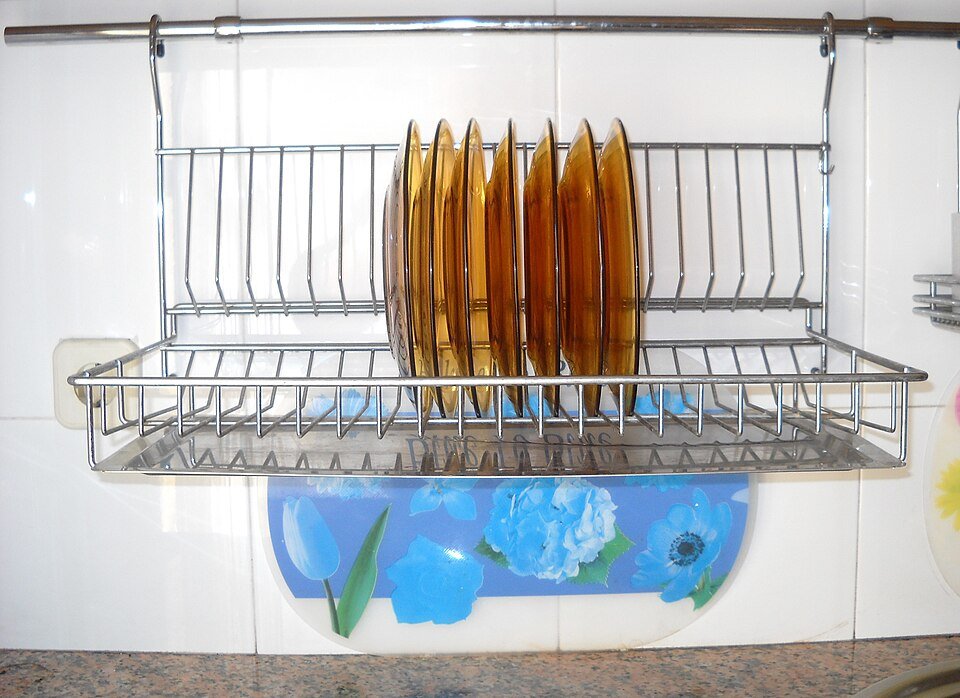
Choose a dish rack when you need upright plate support and a defined place for cups or cutlery. Choose a drying mat when a flexible, temporary surface suits your handwash items. Check drainage and care: neither option automatically keeps the counter beneath it dry.
Start with the shape of the load
Count the things that need support, not just the total number of dishes. Four flat plates create a different drying problem from one broad frying pan and a colander. A mat gives surface area; a rack may give separation and vertical support.
| Your routine | Likely starting point | Check before buying |
|---|---|---|
| Several plates and cups every evening | A rack with suitable supports. | Plate thickness, cup stability and drainage. |
| Mostly occasional pans and bowls | A mat or foldaway arrangement. | Usable area and whether items can drain without nesting. |
| Very little permanent counter space | A temporary mat or compatible over-sink rack. | Where it dries and stores afterward. |
Silicone and fabric mats are different
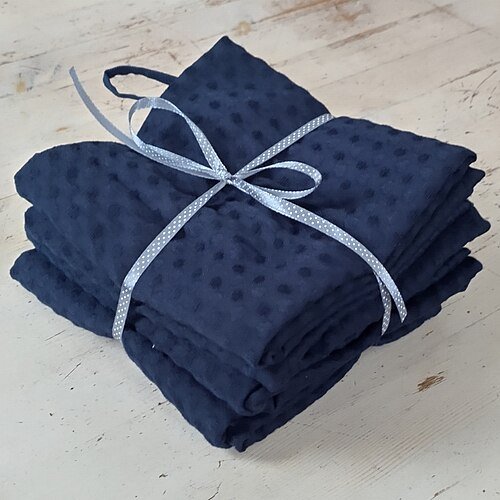
A ribbed silicone mat supports items above channels; an absorbent fabric mat handles water differently and has its own laundering directions. Do not apply a silicone product’s dishwasher or heat rating to a fabric mat.
As a concrete example, OXO lists its large silicone drying mat as 16.9 by 12.5 inches and dishwasher-safe. That gives you a footprint to compare with your counter; it is not a claim that the mat fits every large pan or replaces a drainage system.
Compare the whole footprint
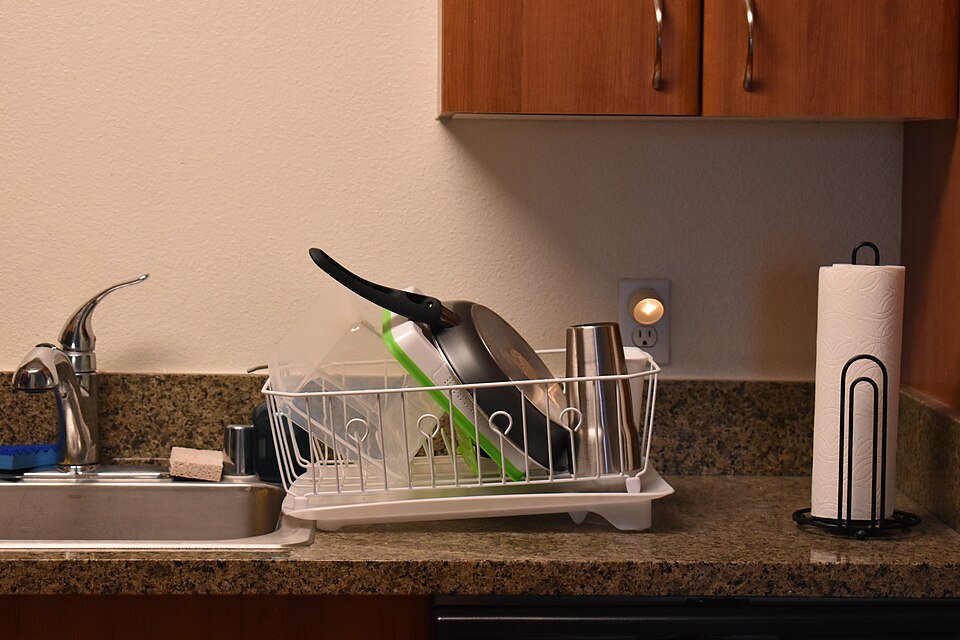
Include a rack’s cutlery cup, hanging mug supports and drain spout. For a mat, include the space needed for a pan handle and for lifting dishes off without hitting the backsplash. The product’s rectangle is only part of the working area.
Draw the proposed rectangle on paper and place your clean dishes within it. If the only way everything fits is stacked tightly, the arrangement may store the load without providing a useful drying layout.
Ask how you will clean and put it away
A folding rack still needs a storage slot. A washable mat still needs time and space to dry. Look for an arrangement whose underside and drain components you can reach easily, especially if it will sit beside a heavy appliance.
Do not leave a wet mat rolled in a drawer simply because the counter is needed. Plan its drying location before choosing it as a space-saving solution.
A useful combination without buying duplicates
A small rack for everyday tableware plus an occasional mat for a pan can work better than an oversized rack left out all week. Equally, a household that machine-washes nearly everything may need only a modest handwash area.
Try the smaller solution first and observe the overflow from several ordinary meals. Buy for that recurring need rather than an imagined dinner party that happens once a year.
Common questions
Is a mat always more compact?
It may store more easily, but it still needs enough open area during use and a place to dry afterward.
Will either option keep water off the counter automatically?
No. Check how that specific product collects or directs water and inspect the surface beneath it.
Sources & scope
The linked guidance supports product and care facts; the layouts and worked examples are our practical suggestions. Match the exact item and current instructions. We have not performed durability or cleaning tests on these products.