Research editor: Nicholas Bauer, Founder & Research Editor · Updated October 16, 2026
The quick answer
Use the care instructions for the complete item, not just its main material. Seasoned iron, wood and many delicate pieces belong in the handwash pile. For other items, check the exact collection, lid and accessories before choosing a dishwasher cycle.
Start with the object in your hand
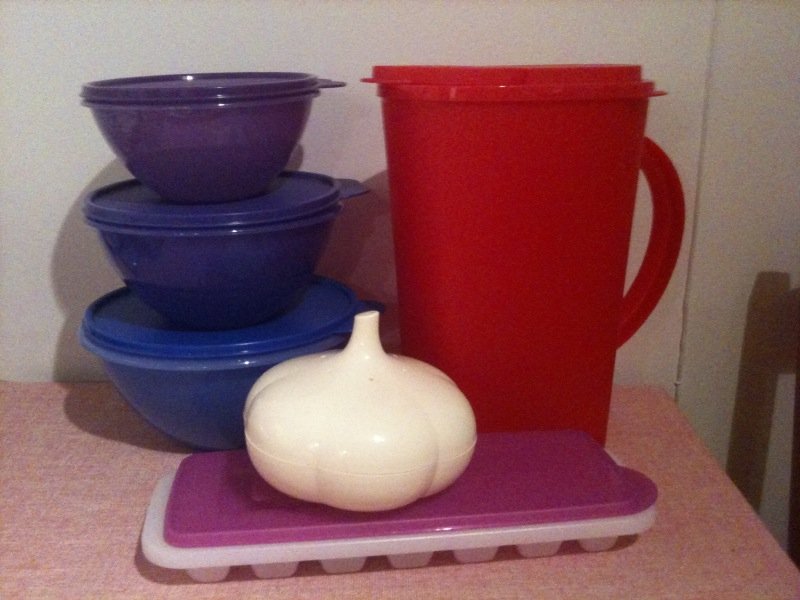
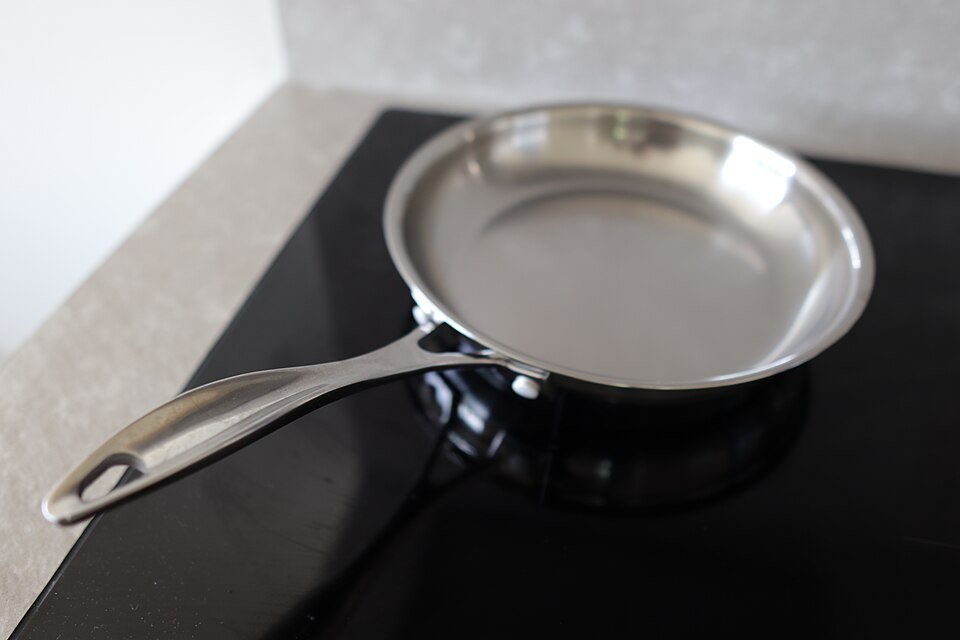
A dishwasher-safe label on one component does not approve every part of a kitchen tool. A glass container can have a separately restricted lid. A silicone spatula can have a wooden handle. A stainless pan can have a construction or finish whose manufacturer calls for handwashing.
This guide helps you find the right question before loading. The linked material guides explain what to identify, how to organize cleanup and when a mark or damaged part needs manufacturer advice.
Sort a mixed load before the sink fills
| Group | What to do first |
|---|---|
| Seasoned cast iron and carbon steel | Set aside for their handwashing, drying and seasoning-care routine. |
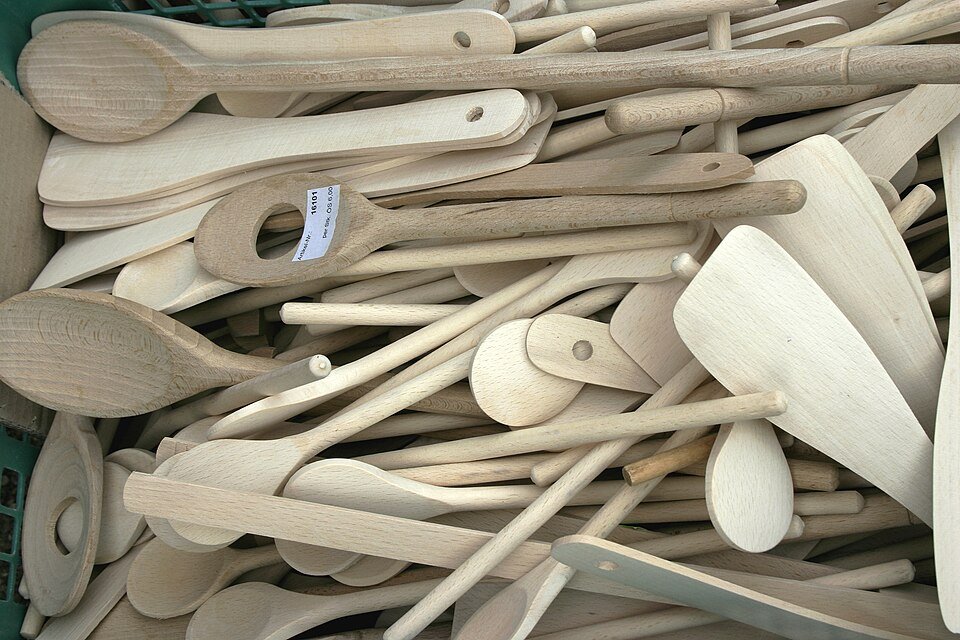
| Wooden tools and natural bamboo boards | Identify the care method and make a place for drying outside the machine. |
| Coated or layered cookware | Match the exact collection, not only the brand or material name. |
| Everyday dishes and multipart accessories | Read the markings and check each removable component. |
| Unidentified, inherited or damaged pieces | Resolve the material and condition before trying an automatic cycle. |
Four checks before an item enters a compact dishwasher
- Permission: does the manufacturer actually allow machine washing?
- Placement: does it require a top rack or a particular orientation? A single-rack machine is not automatically equivalent.
- Program: are there restrictions on heat, drying or detergent?
- Physical fit: can it sit securely without blocking the spray arm or crowding other items?
Passing only the last check is not enough. A pan that fits diagonally may still be handwash-only. Equally, a dishwasher-safe bowl can be loaded so poorly that it traps water or shields another dish.
Build a realistic evening routine
Imagine a dinner that leaves two plates, two glasses, a wooden spoon, a knife and a seasoned skillet. The dishwasher may take the approved tableware while the other tools need a short handwashing stage. Plan for both piles before deciding how much machine capacity you need.
Leave a clear place for the handwash items to dry. If that area disappears under bottles and countertop storage, a new appliance will not fix the whole cleanup problem. The useful goal is less work across the complete routine.
When an item has already been washed the wrong way
Identify the material, document the condition and read the maker’s recovery advice. Discoloration, lost seasoning, peeling coating and structural cracks are different problems. Do not apply the same scrubber or cleaner to all four.
Use the material guide below to narrow the next step. Where the brand or condition remains uncertain, ask the maker with photographs rather than testing another cycle.
Choose your material or tool
Find the complete item below, then check the named brand or component in its guide. If all you have is an unfamiliar care icon, start with the dishwasher-safe symbol guide.
Search these 20 guides by item or a brand covered in the guide. Open a result for the exact model, material and care restrictions.
20 guides available.
Cookware and bakeware
Cutting and cooking tools
Cups, glasses and tableware
Lids and removable appliance parts
- food-storage lids
- OXO salad spinner dishwasher care — Good Grips, Glass, Steel and lid-cleaning guidance
- coffee-maker parts
- air-fryer baskets
Common questions
Does “top-rack safe” automatically work in a countertop model?
No. Match the item’s placement and heat restrictions to the appliance’s loading instructions; a single rack does not prove equivalence.
Do these guides report our own durability tests?
No. They interpret the linked manufacturer guidance and provide practical planning examples.
Sources & scope
Manufacturer guidance informs the care rules; the kitchen-planning examples are our practical suggestions. Match the exact item and current instructions. We have not performed durability or cleaning tests on these products.