Research editor: Nicholas Bauer, Founder & Research Editor · Research checked October 6, 2026
The quick answer
Find when the towel starts smelling: after laundering, while hanging beside the sink, or after storage. Use clean towels for clean dishes, change towels after dirty cleanup and complete drying before folding. Follow fabric and laundry-product care labels.
Use timing to narrow the problem
A towel that smells straight from the laundry needs a different investigation from one used on a greasy counter. Note the stage before buying another detergent or pack of towels.
| When it happens | Review |
|---|---|
| Immediately after washing | Fabric care, detergent directions and washer maintenance. |
| Beside the sink | What it wiped and whether it remained folded and damp. |
| After cabinet storage | Whether it was fully dry and the storage area is clean and dry. |
Give towels clear jobs
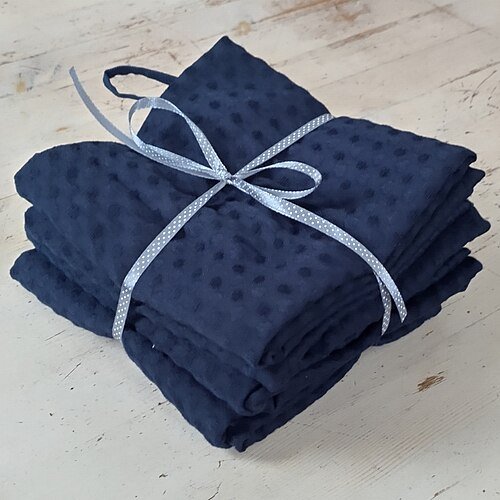
Use a recognizable towel for dishes and another for hands. A towel used for dirty spill cleanup belongs in the laundry routine. Color coding helps household members identify the purpose, but does not substitute for washing.
University of California guidance calls for fresh cloths after cleaning work areas or wiping spills, and replacement when dirty or smelly. It also emphasizes complete drying after laundering. Match washing and drying settings to the textile’s permitted care.
Check the hanging arrangement
Look for a towel doubled into a thick bundle on one hook or pressed against a wet backsplash. A suitable rail can give the fabric room, provided it does not obstruct an appliance vent, door or drawer.
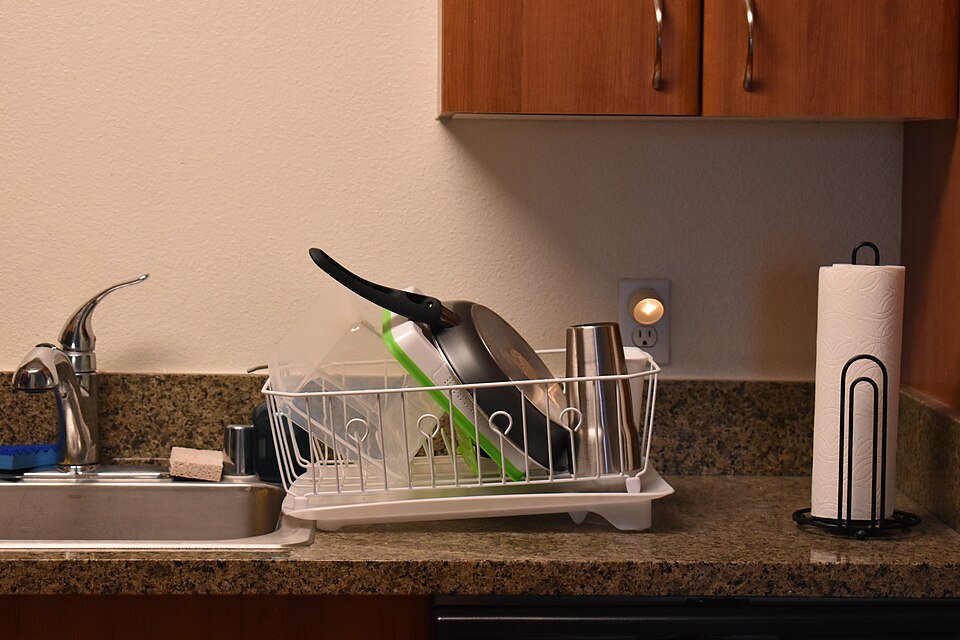
In a small kitchen, one accessible drying position with clean replacements stored elsewhere can be easier to manage than several damp towels layered on a handle. Make it clear which towel is ready to use.
Review laundry without inventing a chemical recipe
- Read the fabric care label.
- Use the laundry product’s specified dose.
- Follow washer loading and maintenance instructions.
- Complete drying before folding.
- Keep clean textiles apart from used cloths.
Do not combine cleaners to chase an odor. Follow the label and textile compatibility requirements for any additive. Stronger fragrance does not prove the cause is resolved.
Make a useful observation
Start with freshly laundered, fully dried towels. Keep their jobs and positions consistent and note when the problem returns. If it follows one task, change that routine. If every towel smells before use, investigate the laundering and storage stages.
Replace textiles that are badly worn or no longer clean adequately. More towels can improve rotation, but will not fix damp storage or a cloth used for incompatible jobs.
Common questions
Does a fresh scent prove cleanliness?
No. Check the cleaning routine and condition rather than fragrance.
Can a dish towel also clean dirty spills?
After dirty cleanup, put it into the laundry routine and use a fresh towel for clean dishes.
Sources & scope
The linked guidance supports product and care facts; the layouts and worked examples are our practical suggestions. Match the exact item and current instructions. We have not performed durability or cleaning tests on these products.